

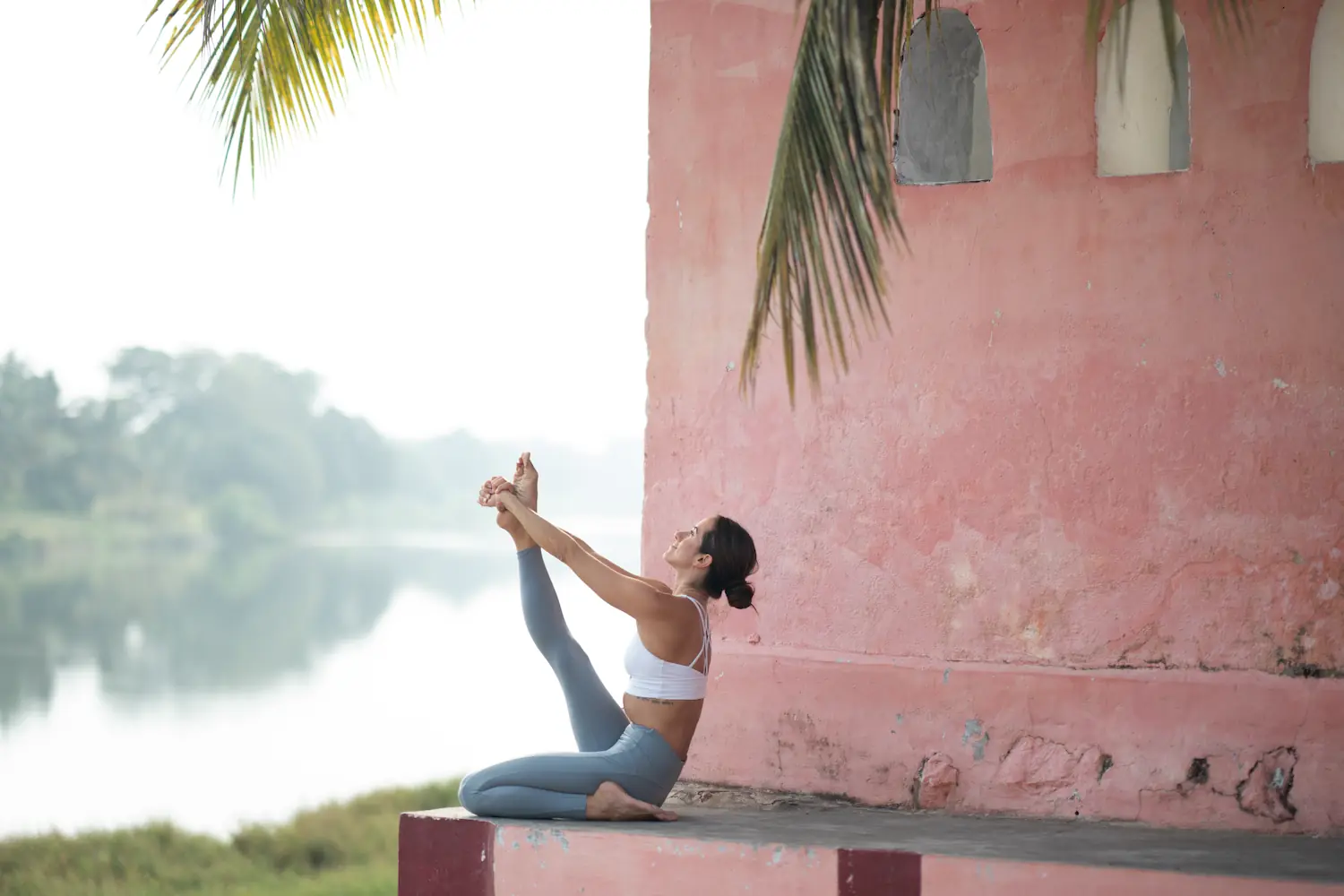
What is the first thing that comes to mind when you hear about Ashtanga Yoga? Chances are it’s something related to the structure, the set sequence, or the series.
And rightfully so. Ashtanga stands out from other dynamic styles of Yoga such as Vinyasa flow, because of its set series. But how did it all start?
The series as we know them today are attributed to Sri K. Pattabhi Jois, who is considered the founder of Ashtanga Yoga as a method (rather than a style) of physical Yoga. The asanas that are part of the series and — to an extent — the series themselves existed before Jois and were taught to him by his own Guru, T. Krishnamacharya. But Jois formalized the Ashtanga system with the six series as we know them today (although there have been changes in the series since his early days of teaching, more on this later).
The series are six in total. Most practitioners practice the first three, a few very senior teachers around the world practice the fourth, and maybe a handful practice part of the fifth. The sixth series is claimed to only have been practiced by Sharath Jois (the grandson of Pattabhi Jois and holder of the Ashtanga lineage).
Pattabhi Jois used to say: “Primary (first series) is for students. Intermediate (second series) is for teachers. Advanced (third series) is just for demonstration.”
And it’s true. The majority of practitioners will most likely stick to the first two series. These are also the most beneficial.
Let’s have a look at each series and its numerous benefits.
The Primary series: a natural detox
The Primary series is called “Yoga Chikitsa” in Sankrit, which means Yoga therapy. It is indeed a deeply healing practice.
On a physical level, it addresses the main musculoskeletal issues of people who lead a sedentary life: tight hips, lower back pain, and weak core. The whole series aims at opening up the hips and sacrum area to release tension from the lower back. The dynamic transitions (vinyasas) activate and strengthen the pelvic floor and core muscles, as well as the arms.
But stronger muscles are not the only physical benefit of the Primary Series. Thanks to the numerous forward folds, deep twists and transitions, this series acts like a natural detox for the digestive system. Metabolism is accelerated and problems like gas, bloating and constipation are addressed and dramatically improved through daily practice. Most practitioners claim to have lost excess fat from the belly area after a few months of daily practice.
The mental benefits are not to be ignored either. The Primary series is deeply grounding and calming. The synchronization of breath and movement acts like a cure for the restless mind, anchoring it in the present moment. With regular practice, sleep patterns improve and practitioners become calmer, more centered and more focused in their day-to-day lives.
The Intermediate series: nerve cleansing
The Intermediate series aims at strengthening and purifying the nervous system. Its Sanskrit name “Nadi Shodhana” means exactly that: Nadi Purification. Its structure is a bit more varied than that of the Primary series. It consists of a series of backbends, deep hip openers (leg-behind-the-head) and a few quite demanding arm balances.
The physical benefits of the Intermediate series are undeniable. All the back muscles get strengthened while the front body and psoas open up and become more mobile. Legs get strong and hips become even more flexible. Arms and shoulders become vigorous enough to support the body weight in inversions such as Pincha Mayurasana and Karandavasana.
But the biggest transformation happens on a deeper level (Pranamaya Kosha). According to the Hatha Yoga Pradipika there are 72,000 Nadis in the body. These are subtle energy channels that are often blocked. They need to be freed through asana and breathing, so that the energy can move freely and the nervous system can be purified and strengthened.
The main Nadis are located along the spine. The extreme backbends and hip openers (requiring the spine to extend, then flex really deeply) open up those channels gradually, stimulating the nervous system. This is why after practicing Intermediate one feels invigorated and full of energy.
With time, this series builds mental resilience and helps practitioners handle stressful situations with more poise and self-control.
The Advanced series: mental focus
The Advanced series consists of the next four series (third to sixth).
The Sanskrit name of the third series is Sthira Bhaga (stable or steady strength). It focuses on intense arm balances, even deeper leg-behind-the-head poses, splits and complex backbends. It is much more physically demanding than the two previous series. Even though it doesn’t really offer more physical benefits than Primary and Intermediate, it does bring a profound mental focus and inner stability through the extremely challenging asanas it contains.
The Advanced series is not for everyone. It requires a certain genetic predisposition and a very specific and strict lifestyle if one is to practice it regularly. The good thing is, for people who just want to get healthier through practice and do not aspire to become teachers, it’s really not important to reach the third series. Primary and the first part of Intermediate are more than enough for a healthy body, a grounded mind and a resilient nervous system.
Evolution of the series
Contrary to popular belief, the series were never really set in stone. They evolved over the years. Changes have been made to the order of poses, the number of vinyasas and the way someone moves on to the next pose and series.
A few examples:
- Back when Pattabhi Jois first started teaching Westerners in the seventies, he would have students practice the first and second series in one go, moving them through the series quite fast. Backbends (Urdhva Dhanurasana) and drop backs would only be taught after one had finished the second series.
- The first two poses of the Primary series (Utthita Hasta Padangusthasana and Ardha Baddha Padmottanasana) were practiced at the end of Primary before they were moved to the beginning.
- The Intermediate series used to end at Gomukhasana. Supta Urdhva Pada Vajrasana and the seven headstands used to be part of the fourth series. They were moved to the second much later.
- The number of vinyasas was significantly smaller. There were no vinyasas between the right and left sides and entire groups of asanas (for example all the Janu Sirsasanas or the Marichyasanas) were practiced with no vinyasa in between poses or sides.
The series have been modified over the years to better serve the students and facilitate the teachings — especially as the number of people going to Mysore to practice increased dramatically. But the essence of their structure, goals and benefits remains the same. And even though nothing is beyond fault or doubt, the series have proven to be an extremely valuable tool in the hands of many practitioners all over the world.


