

When I became vegetarian over a decade ago, I had no clue what I was doing.
By this I don’t mean my motivations - those were crystal clear: I didn’t want to inflict unnecessary suffering through my food choices.
What I didn’t know was how to follow a vegetarian diet that nourishes my body instead of depleting it. I was so enthusiastic about my choice that I didn’t take the time to research how to make the switch.
About a year into being vegetarian, I started feeling unwell. I was constantly tired, light-headed, and my hair was falling out. A blood test revealed that my iron and ferritin levels were extremely low. I took supplements for a while and started reading a lot about nutrition and vegetarianism. I realized I was doing many things wrong and made big changes. After a few months my iron levels went back to normal. I haven’t had to supplement since. Food and better habits did the rest.
Many people, yoga students included, struggle with the same issue. This is why I decided to share what has helped me over the years and how I built a diet that works for me.
Before I start, I’d like to clarify three things.
. I’m neither a doctor nor a nutritionist. I’m sharing tips I learned through reading and research that work well for me. If you need more personalized guidance, you should turn to qualified specialists.
. I’m not preaching to anyone to become vegetarian. This is a personal choice and shouldn’t be forced on people. But if you are vegetarian, or aspire to be, I’d like to help you do it the right way. That’s my only motivation.
. Finally, I have never been vegan, so I cannot give tips or advice for a vegan diet. Eggs and dairy are a significant part of what I eat and how I make sure I get certain nutrients.
Now, let’s jump straight into it.
1. Get your protein
One common mistake vegetarians make is not getting enough protein. Another misunderstanding is that only through meat can you get enough of it. Here are my favorite sources of protein:
Greek yogurt
Choose strained yogurt to maximize protein. Yogurt is also a source of probiotics, important for gut health.
Nuts
I mainly eat walnuts, almonds, and cashews, all unsalted, a handful of each at breakfast. I also eat one or two Brazil nuts per day for selenium, a nutrient that’s hard to find in most foods.
Eggs
I eat up to six per week.
Cheese
I eat cheese in moderation to maintain healthy cholesterol levels.
Quinoa
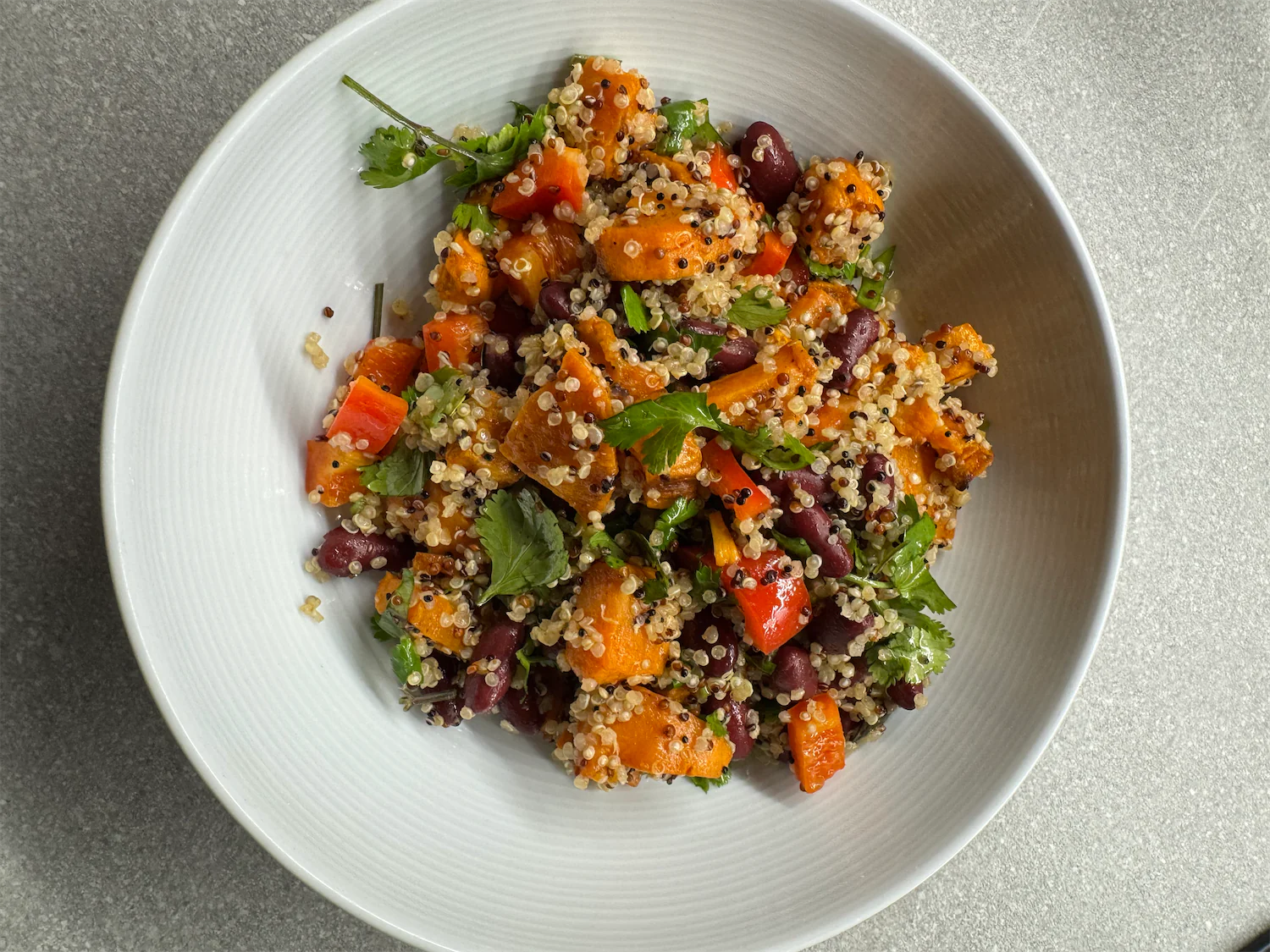
Quinoa has all nine essential amino acids, so it’s a complete protein. It’s also gluten-free. It’s an excellent alternative to rice and can be added to salads.
Chia seeds
Also a complete protein; add them to milk, yogurt, or smoothies.
Lentils
A great source of protein, also rich in fiber and iron.
Chickpeas
High in fiber and minerals. I add them to curries and salads.
Peas
An easy, high-protein vegetable.
Broccoli
Among the vegetables with the highest protein content.
Tofu
Choose firm tofu for higher protein. It also provides calcium and iron.
2. Watch your iron levels
This is important, especially for women of reproductive age. Keeping iron and ferritin in a healthy range can be tricky.
Eating a lot of legumes, like lentils, black beans, and chickpeas, is necessary. Legumes are also packed with protein and magnesium, contain antioxidants, and help keep blood sugar steady. They’re among the healthiest foods you can eat.
I’ll add quinoa to the list, which is technically a seed but looks and tastes like a grain. Tofu is another excellent choice to increase your iron intake.
Spinach is also rich in iron and I like to add it to my lentil curries. Spinach, green apple, and kiwi smoothies are also a great idea and taste good.
Nuts also contain iron, especially cashews. Seeds are surprisingly high in iron. I add pumpkin seeds and flax seeds to my morning yogurt or smoothie. Sesame seeds are another good source of iron. Tahini paste is one of my favorite staples. Add it to smoothies and yogurt, mix it into salad dressings, or eat it as a spread. Just make sure you don’t buy one with added sugar.
Pro tip no. 1
Always consume iron-rich foods together with vitamin C. That maximizes absorption. Add lemon to your lentil or quinoa dish, include bell peppers or tomatoes, or eat an orange for dessert. Avoid pairing iron-rich foods with dairy, which can inhibit absorption.
Pro tip no. 2
I eat a full teaspoon of blackstrap molasses daily. Molasses is a thick, dark syrup from sugar cane and is rich in iron. You can find it in most health-food stores. I take it with orange juice or a kiwi (iron plus vitamin C is a great combo).
3. Vitamin D: sun is medicine
Vitamin D helps your body absorb calcium to build and maintain strong bones. Many people are deficient, including vegetarians and vegans. Its richest food sources are fatty fish like salmon, tuna, and mackerel, or beef liver. The best vegetarian sources are egg yolks and some mushrooms that have been exposed to UV.
Diet helps, but your body also produces vitamin D through sunlight. Expose bare arms or legs (the more skin, the better) for 20–30 minutes a day, without sunscreen, ideally between 11 a.m. and 3 p.m. On cloudy days, stay longer. This is how your body produces vitamin D from cholesterol.
For many people living in countries with cold, dark winters, this is not realistic. Even in Greece, where I live, many people are deficient because they spend the day working indoors or overuse sunscreen.
Check your vitamin D levels regularly. It’s easy to be deficient, and it can affect bone, muscle, and nervous system health.
4. Omega-3s: the heart and brain guardians
Omega-3s, the “good fats,” can lower the risk of heart disease, support cognitive function and vision, and reduce chronic inflammation.
Their main source is fatty fish or shellfish, but there are excellent plant sources, mainly nuts and seeds. Flax seeds, chia seeds, and walnuts are packed with omega-3s. Buy ground flax seeds for better absorption.
Nuts and seeds are, as you may have noticed by now, nutrition powerhouses. They were a significant part of the human diet as early as 700,000 years ago. What we learn now, ancient peoples already knew.
Final thoughts
There is an abundance of vegetarian foods rich in the essential nutrients that prevent deficiencies. Of course, it’s easier to grow up vegetarian than to switch from meat and fish to a vegetarian diet later in life. Adjustments need to be made, and most people, including me ten years ago, don’t know where to start. Making informed choices is important, and doing your own research even more. We should all invest time and effort in building a balanced and healthy diet, vegetarian or not.
Many people wonder if a vegetarian diet suits everyone. I don’t have the answer to that. But if it aligns with your values, it’s worth trying and finding out for yourself, with the right knowledge and guidelines by your side.


