

No one likes to be bored.
Repetition, routine, and familiarity can feel daunting for most people. Whether we realize it or not, we’re all constantly waiting for the next source of excitement, the next surprise, the next shiny new thing. As Daniel Lieberman and Michael Long point out in their brilliant book “The Molecule of More”, it’s not even our fault. It’s the dopamine. A single chemical in our brain determines how easily we get bored with things, situations, and relationships.
It’s dopamine that makes us fall head over heels in love. And when dopamine fades — as it always does — reality creeps in and all of a sudden the loved one doesn’t look so perfect in our eyes anymore. The “honeymoon high” fades away and there’s nothing we can do to make it last.
But dopamine doesn’t only rule romantic love. It permeates all aspects of life — our relationship with money, our desire to acquire things, and how prone we are to addictive habits like taking drugs, gambling or scrolling on our phones.
Dopamine is the chemical of anticipation, excitement and novelty. It makes us want to live in the future rather than the present moment. It fuels our creativity, pushes us to set and pursue goals, progress, innovate and make a difference. It’s also the reason why, once our goals are achieved, the joy of accomplishment doesn’t last very long. Dopamine can turn our life into an endless pursuit for more of everything, until nothing satisfies us anymore.
Escaping boredom
There’s something I read in the book that really hit home: some people have more dopaminergic personalities than others. They carry certain genes containing receptors that facilitate dopamine signaling. In other words, your genes determine to a large degree whether you will show high dopamine activity and be prone to risk-taking and sensation-seeking.
As I was tirelessly turning the pages of the book, I couldn’t help but think of myself as a teenager and young adult. Nothing could ever satisfy me for more than a few days. I couldn’t commit to anything long enough. I was easily bored even by things I was initially passionate about. I was living for the next weekend, the next trip, the next purchase, the next party. In between I was just killing time, counting the days and sleepwalking through mundanity.
I craved change and novelty. I was doing everything in my power so that nothing in my life stayed the same for too long. I didn’t just dislike routine, I dreaded it. The only constant in my life was an underlying sense of emptiness and pointlessness that was soul-crushing — to say the least.
The healing power of ritual
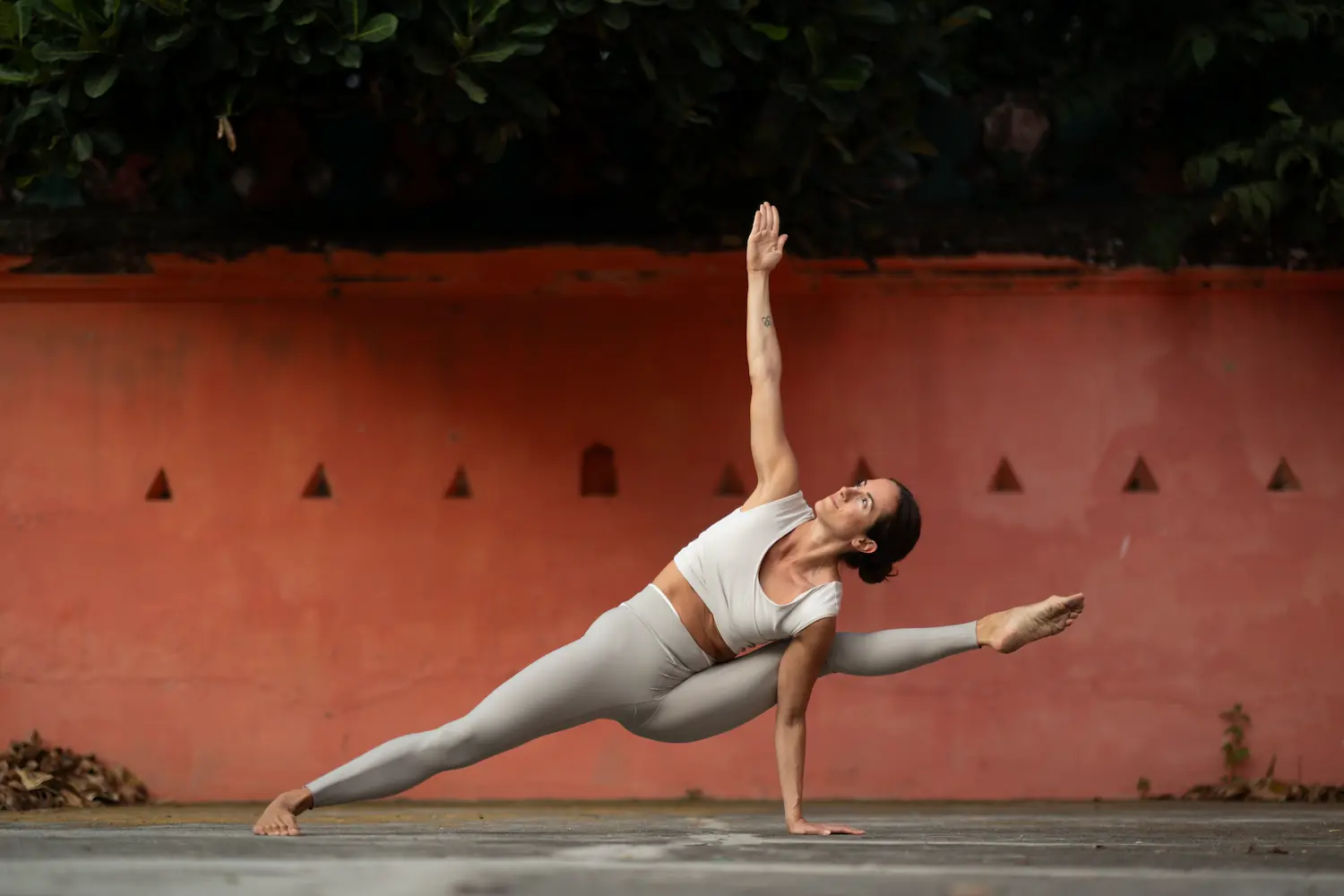
Ashtanga Yoga came into my life the moment I needed it the most. I just didn’t know it back then. I still remember my first counted Led Primary class. Even though I was struggling and — let’s face it — I had no idea what I was doing, after the class I felt a deep peace I never thought was possible. The comforting monotonous count stayed in my mind long after the class was over.
I went back, again and again. I didn’t quit when I found out the sequence was always going to be the same. I was surprised myself. I had been to several vinyasa classes before, every time with a different sequence/choreography. I can’t say I didn’t enjoy them — quite the opposite. I loved the music, the vibe and some of the poses. But I was not really present during those classes. My mind was constantly wandering and all I was seeking and getting was entertainment.
Ashtanga was different.
Even though I was doing the same thing every day or maybe because of it, my initial enthusiasm didn’t fade. I learned to observe myself and the things I found were fascinating: the breathing patterns, the tensions and pains in my body, the asanas slowly taking root and feeling like home. For the first time in my life the novelty didn’t come from the outside—it came from within me. I learned and I’m still learning so much about myself every day on the mat. Not one day is the same, even though it might look like it from the outside.
Soon enough my practice became something I never had before: a safe refuge of familiarity, a silent dialogue with myself and a deep introspection that was deeply therapeutic. With time, I noticed that my need for constant stimulation and excitement started to subside. I became less restless, more rooted in somatic presence, more conscious of my body, my breath and the thought patterns in my mind. There was less craving for what could be and more acceptance of what is.
I truly believe in the healing power of ritual. Rituals were present in all ancient civilizations and rightfully so: novelty might keep the mind alert but sameness keeps it sane.
Ashtanga Yoga — one of the most ritualistic somatic practices I know — often attracts people with Type A personalities (the highly competitive overachievers) and a proneness to addiction. I don’t think this is a coincidence. In both cases the dopaminergic activity in the brain is very pronounced, making those people crave nonstop stimulation. Ashtanga Yoga can be the antidote to that. It brings you into deep communion with yourself and the present moment so you don’t feel the urge to escape and seek temporary relief elsewhere.
Yogas chitta vritti nirodhah
“Yoga is the cessation/restraint of the mind’s fluctuations/changing states.”
The second sutra from the Yoga Sutras of Patanjali is an ode to what many of us would define as “boredom”.
Our modern culture idolizes external stimulation. Yoga asks us to turn the attention inwards and come to terms with the absence of stimulation. It invites us to sit with boredom and familiarity and witness all the subtle changes that take place within us.
Most of us might never reach the absolute “nirodhah”, the perfect stillness of mind. But in those rare and elusive glimpses of it, we might hopefully realize that there is nothing we need to escape anymore.


